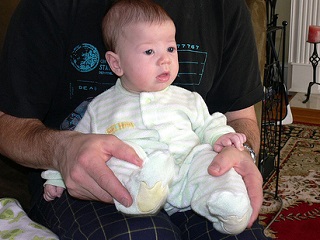
Just to let all you hopefuls out there that this does happen!
Women can frequently become pregnant after their 40s and 50s but can struggle to sustain their pregnancy due to lack of hormones and health-related complications, such as blood pressure problems, etc.
When there is a problem with menses, often their OB/GYN gives progesterone to promote sloughing of the lining of the uterus; this may also slough off an early embryo.
Being a nurse, I never assume anymore a woman over 50 years old isn't pregnant, as the last call I received was from a 56-year-old woman who sustained a pregnancy unassisted in any way.
She gave birth to a beautiful baby boy, with no complications at all.
She even had a natural birth, with no medical assistance!
TODAY'S BOOK SUGGESTION:
by Heather Welford
-- Explains everything the prospective parent may need to know as they face the physical, emotional and practical challenges of trying for a baby.
It covers health issues in full, from basic biology and an explanation of fertility and cycles to outlining what supplements are useful and what isn't, and how you can maximize your chances by following a healthy diet and cutting alcohol or nicotine intake.
There are plenty of resources and guidelines for parents facing difficulties, including a guide to the medical options, and advice on how to seek further help.
It will help couples to deal with the emotional issues faced when trying for a baby, and will also give practical information on who you should tell and who you must tell, and when.
With coverage of all aspects of very early pregnancy, from do-it-yourself tests to the very first scan, it will be a useful resource that will help all prospective parents, whether looking to start or to expand their family.
📚 Paperback: 192 pages
Click to order/for more info: Take Charge of Your Fertility
📚 Start reading Take Charge of Your Fertility on your Kindle in under a minute!
📚 Don't have a Kindle? Get your Kindle here, or download a FREE Kindle Reading App.
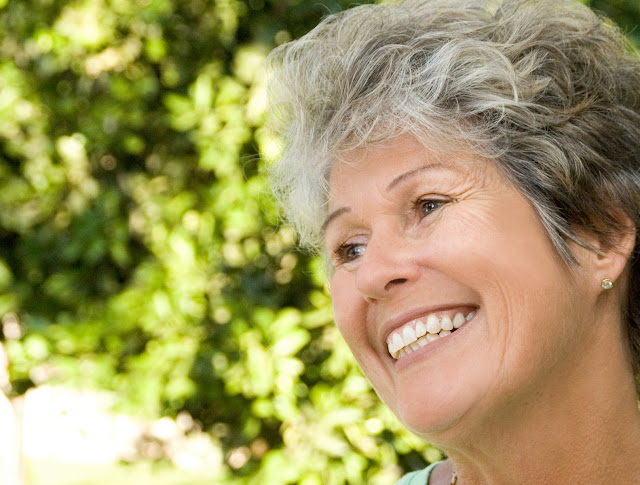
I can't relate to being an over 50 years old mom, but I'm the daughter of an over 50 mom.
I'm child number seven, arriving when my mom was 55 years old, and her second menopause baby!
Most of our nieces and nephews were older than us, except two were born within eight months of me!
My sisters said what was weird was being pregnant when Mom was, and she didn't go crazy over the grand-kids as much as their in-laws did.
I was so lucky to have my mom for 40 years after my birth.
My older kids loved her sooo much.
TODAY'S BOOK SUGGESTION:
by Sally Lewis and Nim Barnes
-- Practical advice and a holistic approach to help you conceive, including simple dietary and lifestyle changes and do it yourself complementary therapies.
In this accessible and informative guide, Sally Lewis explains how age, sexual infections, diet, excess weight, stress, and anxiety affect fertility.
Teaching how to discover the best time for conception; understand the link between body, mind, and fertility; and manage stress and relax to prevent anxiety, this is the ultimate guide to increasing the likelihood of conception at any age.
📚 Paperback: 128 pages
Click to order/for more info: 50 Things You Can Do Today to Increase Your Fertility
📚 Start reading 50 Things You Can Do Today to Increase Your Fertility on your Kindle in under a minute!
📚 Don't have a Kindle? Get your Kindle here, or download a FREE Kindle Reading App.
In 2005, there were more than 104,000 births in the United States to women ages 40 through 44, and over 6,500 to women 45 years old and older.
The birth rate for women in the 40-44 age group has risen steadily since 2000, by 2% annually! It rose 4% from 2015 to 2016.
The birth rate for women 45-49 years old remained unchanged from 2008 till 2012. It rose 0.8% from 2015 to 2016.
The birth rate for women aged 50 and over has remained unchanged since 2006.
Let's check the latest birth stats over 40!

Women in their 40s
—The birth rate for women aged 40–44 was 11.4 births per 1,000 women in 2016, up 4% from 2015 (11.0) (Table 2) to the highest rate for this group since 1966 (11). The number of births to women in their early 40s increased by 1% from 2015 to 2016.
The birth rate for women aged 45–49 (which includes births to women aged 50 and over) was 0.9 births per 1,000 women in 2016, up from 0.8 in 2015. The number of births to women aged 45 and over was essentially unchanged from 2015 to 2016.
Women aged 50 and over
— A total of 786 births in 2016 were to women aged 50 and over, essentially unchanged from 2015 (754) (Table 3) (10). The number of births to women in this age group has generally increased since 1997 (144) when data for women aged 50 and over became available again. The birth rate for women aged 50–54 was 0.7 births per 10,000 women in 2016, unchanged from 2015. Because of the small number of births to women in this age group, the birth rate for women aged 50–54 is expressed per 10,000 women. For rates shown elsewhere in this report, births to women aged 50 and over are included with births to women aged 45–49 when computing birth rates by age of mother (the denominator for the rate is women aged 45–49).
Source: National Vital Statistics Reports | CDC.gov
Photo credit: Births and Natality,
Births: Final Data for 2016 by CDC - All rights reserved
TODAY'S BOOK SUGGESTION:
 The Infertility Cure: The Ancient Chinese Wellness Program for Getting Pregnant and Having Healthy Babies
by Randine Lewis
-- Infertility affects one out of six couples today.
Dr. Lewis presents a groundbreaking alternative approach to infertility, explaining how she used traditional Chinese medicine to treat her own infertility, successfully conceiving and giving birth to two children.
In Lewis's experience, women who have undergone three to six months of the dietary changes, herbs and acupuncture treatments become pregnant with no further effort.
Lewis intersperses her somewhat technical examination of the program with anecdotes about her patients, weaving in discussions on diet, herbal supplements, acupuncture, older women and problems related to infertility.
 Paperback: 320 pages
Click to order/for more info: The Infertility Cure
Gail asks: "Is pregnancy possible during perimenopause?"
In response to your question, you have no doubt heard of
change of lifebabies?
Where unplanned pregnancies occurred when women thought their childbearing years were over.
While statistically there is less likelihood of becoming pregnant at this time, there are many exceptions. Women at midlife are still able to conceive — whether they want to or not.
In fact, according to the National Center for Health Statistics, there were 743 births to women 50 years and over in 2014. In addition, the birth rate for women aged 45 to 49 was 0.8 births per 1,000 women. While these are small numbers, it indicates that pregnancy can happen in midlife (when many erroneously assume naturally conceived pregnancy is no longer possible.)
If you are certain you do not want to become pregnant,
you will need to continue to use birth control.
TODAY'S BOOK SUGGESTION:
The Infertility Cure: The Ancient Chinese Wellness Program for Getting Pregnant and Having Healthy Babiesby Randine Lewis
-- Infertility affects one out of six couples today.
Dr. Lewis presents a groundbreaking alternative approach to infertility, explaining how she used traditional Chinese medicine to treat her own infertility, successfully conceiving and giving birth to two children.
In Lewis's experience, women who have undergone three to six months of the dietary changes, herbs and acupuncture treatments become pregnant with no further effort.
Lewis intersperses her somewhat technical examination of the program with anecdotes about her patients, weaving in discussions on diet, herbal supplements, acupuncture, older women and problems related to infertility.
Paperback: 320 pagesClick to order/for more info: The Infertility Cure

Do you honestly feel it is possible for you to get pregnant, or do you feel you are
too old?
Remember, in the last 50 years, births to women over the age of 40 have increased 50 percent.
In cultures where women have not been told their eggs are too old, they are often able to conceive in their fifties and even in their sixties.
The Huichol Indians of Mexico are such a culture.
Photo credit: Huichol woman wear their own jewelry to beautify their selves
by Jupagame
TODAY'S BOOK SUGGESTION:
 The Fertility Diet: Groundbreaking Research Reveals Natural Ways to Boost Ovulation and Improve Your Chances of Getting Pregnant
by Jorge Chavarro, Walter Willett, Patrick Skerrett
-- Reveals startling new research from the landmark Nurses' Health Study, which shows the food you eat can boost your fertility.
The book prescribes ten simple changes in diet and activity can increase your chances of getting pregnant.
Groundbreaking findings into changes you can put into practice today, setting the stage for a healthy pregnancy, and forming the foundation for an eating strategy that will serve you well for the rest of your life.
The Fertility Diet also offers a week's worth of meal plans and delicious recipes making following the guidelines easy and tasty.
Paperback: 288 pagesClick to order/for more info: The Fertility Diet
Start reading The Fertility Diet on your Kindle in under a minute!Don't have a Kindle? Get your Kindle here, or download a FREE Kindle Reading App.

Is it possible this woman had no idea she could conceive?
I have a friend who continued with her regular monthly cycle until she was 72 years old!
She had no idea she could still conceive until her doctor began to question her about it.
She ended up having a hysterectomy, so as not to risk pregnancy at her age.
TODAY'S BOOK SUGGESTION:
 Enhancing Fertility: A Couple's Guide to Natural Approaches
by Chris D. Meletis and Liz Brown
-- This book is dedicated to the millions of couples who are trying to get pregnant without success.
Rather than assuming that you are infertile, you can try the many reliable natural remedies and resources in this book.
Barring physical problems beyond your control, you have the power to take charge of your health and boost your fertility.
The authors' goal is simple: to provide a clear guide to conception based on natural, safe, well-researched therapeutic approaches.
Nutritional, environmental, botanical, and physical medicines, as well as traditional Chinese medical practices and homeopathy, all offer ways to promote fertility.
Both men and women will find a wealth of helpful information on what to do -- individually and together -- to fully realize their fertility potential.
Even if infertility isn't a problem, and you are simply planning to get pregnant and want to deliver a healthy baby, this book will help improve your chances.
Anyone seeking to become a parent will benefit from this book's practical, time-tested wisdom.
The healthier a woman is, the greater the likelihood the seed of life will find fertile soil and grow into a healthy baby.
Paperback: 202 pagesClick to order/for more info: Enhancing Fertility
Start reading Enhancing Fertility on your Kindle in under a minute!Don't have a Kindle? Get your Kindle here, or download a FREE Kindle Reading App.
 Most births to women over 40 are without using DE [donor egg], contrary to what the media is telling us.
Of all live births in the United States during 2001-2003 (average),
-- 10.8% were to women under the age of 20,
-- 51.7% were to women ages 20-29,
-- 35.0% were to women ages 30-39,
-- 2.5% were to women ages 40 and older.
Source: MarchOfDimes.com
So if in 2003 there were 4,089,950 live births in the US, then 2.5% makes 102,249 babies born to women over 40 years old.
With just 5,769 DE births in 2003, of any age, that leaves at least 96,480 of those births who were conceived without a donor egg.
TODAY'S BOOK SUGGESTION:
 It Starts with the Egg:
How the Science of Egg Quality Can Help You Get Pregnant Naturally, Prevent Miscarriage, and Improve Your Odds in IVF
by Rebecca Fett
-- Whether you are trying to conceive naturally or through IVF, the quality of your eggs will have a powerful impact on how long it takes you to get pregnant and whether you face an increased risk of miscarriage.
Poor egg quality is emerging as the single most important cause of age-related infertility, recurrent miscarriage, and failed IVF cycles. It is also a major contributor to infertility in PCOS.
Based on a comprehensive investigation of a vast array of scientific research, It Starts with the Egg reveals a groundbreaking new approach for improving egg quality and fertility.
With a concrete strategy including minimizing exposure to toxins such as BPA and phthalates, choosing the right vitamins and supplements to safeguard developing eggs, and harnessing nutritional advice shown to boost IVF success rates, this book offers practical solutions to will help you get pregnant faster and deliver a healthy baby.
Paperback: 304 pagesClick to order/for more info: It Starts with the Egg
Start reading It Starts with the Egg on your Kindle in under a minute!Don't have a Kindle? Get your Kindle here, or download a FREE Kindle Reading App.
 |
| Photo Credit: At the Vermont state fair, Rutland (LOC) |
My husband is the youngest of seven children, and his closest sibling is 19 years older than him.
He was always mistaken for their child, and his mother was taken as his grandmother.
And he has nieces and nephews much older than him.
He said it was a joke when growing up - he would be about 7 or 8 years old, and tell them to respect their Uncle Rob.
Everyone would laugh.
But he is the one in the family who has been the most responsible and done the best for himself.
Maybe it is because he had so many
parents, and just grew up more mature.
TODAY'S BOOK SUGGESTION:
 The Way of the Fertile Soul:
Ten Ancient Chinese Secrets to Tap into a Woman's Creative Potential
by Randine Lewis
Being fertile and fruitful can mean giving birth to a child -- but to have a fertile soul means to give birth to the true self a woman wants to be: to live a life filled with passion, strength, joy, and adventure.
In The Way of the Fertile Soul, Dr. Randine Lewis outlines ten ancient Chinese medical and Taoist
secretsholding the little-known key to successfully conceiving babies, new dreams, and a fulfilling life for women at any phase in their lives.
The Way of the Fertile Soul encourages women to strive toward health, abundance, and a fruitful, joyous approach to life.
By using diagnostic questionnaires, qigong exercises, and guided meditations to help the reader understand how the elements of nature express themselves in her body, mind, and spirit, The Way of the Fertile Soul provides the tools to greatly increase a woman's chance of conceiving, identify imbalances, reduce stress, increase energy, and uncover her intrinsic creativity and express it fully.
Paperback: 240 pagesClick to order/for more info: The Way of the Fertile Soul
Start reading The Way of the Fertile Soul on your Kindle in under a minute!Don't have a Kindle? Get your Kindle here, or download a FREE Kindle Reading App.
 |
| Photo credit: Newborn holding mom's finger, by MVictoron |
a concern?.
OBJECTIVE: To study maternal and perinatal outcomes in healthy women aged 50 years and older.
METHOD: This study was of 59 clinical pregnancies, of which 10 ended in first trimester spontaneous miscarriage (and were excluded from further studies) and 58 live births. This retrospective review of 58 live births in 49 essentially healthy women (mean [SE] age, [52+/-2.5] years; range 50-55 years), with no chronic medical conditions (of which 28 were primigravids). Pregnancy outcomes were ascertained by chart review and telephone follow-up.
RESULTS: Of the 58 live births, 41 were singletons, and 7 were twins, and 1 triplet, for which the mean+/-SE gestational age at delivery were 38.1 weeks +/-0.4, 36.2 weeks +/-0.1 and 34.1 weeks respectively. Birth weights (mean +/- SE) were 3,201 g+/-10, 2,252 g+/-4 and 1,998+/-95 g respectively. Mean Apgar score +/- SE at 1 and 5 min were 9.2+/-0.8 and 8.8+/-0.6 respectively.
Total cesarean deliveries were 73% (36/49). Of singletons, 68% (28) were delivered by cesarean section as were all multiples. The incidence of pre-eclampsia was 30.6%: mild pre-eclampsia 20.4% (10/49), severe pre-eclampsia 10.2% (5/49). Gestational diabetes required insulin in all 19.5% of women. Anemia was noted in 6.5%.
CONCLUSIONS: Appropriately screened women, aged 50 years or older, can deliver successfully. During pregnancy, they appear to be at increased risk of pre-eclampsia and gestational diabetes. A significant majority can expect to deliver via cesarean.
PMID: 14716494 [PubMed - indexed for MEDLINE]
TODAY'S BOOK SUGGESTION:
 Infertility Survival Handbook
by Elizabeth Swire-Falker
-- After seven years of tests and more tests, treatments and more treatments, Elizabeth Swire-Falker understands what it means to struggle with infertility.
In this frank, reassuring, and thoroughly researched handbook, she shares her own personal experience and offers insight into what challenges to expect along the way-from getting support to finding the right doctor to dealing with insurance.
She gave up her career in the process when she found she couldn't struggle with infertility and maintain a high-powered job at the same time.
The years were filled with injections and blood tests and hormones and in vitro fertilization, implantations, and miscarriages, and return trips to the assisted reproductive technology lab.
Paperback: 142 pagesClick to order/for more info: Infertility Survival Handbook
Start reading Infertility Survival Handbook on your Kindle in under a minute!Don't have a Kindle? Get your Kindle here, or download a FREE Kindle Reading App.
 |
| Photo credit: My daughter, by Rus M |
warningwomen they still need to use birth control during menopause!
Because some women DO get pregnant during menopause.
It seems odd these same medical experts aggressively tell older women they
can'tget pregnant.
They talk out of both sides of their mouths.
It is becoming clearer to me many older women are fertile - but society wants to make us think otherwise.
TODAY'S BOOK SUGGESTION:
 The Belated Baby: A Guide to Parenting After Infertility
by Kelly James-Enger and Jill S. Browning
-- Infertility is a mindset and every woman who experiences infertility is forever changed, even when she eventually has the child she yearned for.
When many women who have gone through fertility treatments describe their experience, they say it
abused their soul.
The experience may have also hurt their relationship with their husband, and sometimes permanently altered relationships with their extended families.
Studies show even after the desperation of infertility subsides, emotional wounds still fester, and an asterisk accompanies her bundle of joy.
Paperback: 242 pagesClick to order/for more info: The Belated Baby
 |
| Photo credit: Little Baby Nati, by Maciej Gauszka |
Now he didn't tell me she used DE [donor egg], and I didn't dare ask...
But either way, she had her lifelong dream of becoming a mommy...
The maternal drive never dies for most of us, whether we can't conceive due to high FSH [follicle stimulating hormone] or menopause...
TODAY'S BOOK SUGGESTION:
 Is Your Body Baby-Friendly?:
Unexplained Infertility, Miscarriage and IVF Failure - Explained
by Alan E. Beer, Julia Kantecki, Jane Reed
-- A unique book—the first of its kind. No longer do patients have to accept that their infertility is
just bad luckand they just have to
keep on trying.
No longer should women with recurrent miscarriages have to listen to their doctor telling them their loss was
God's willor they ought to be thankful because their baby was probably chromosomally abnormal.
The statistics simply do not support such claims—in fact, they show that repeated reproductive failure can be a symptom of wider health problems in the mother.
Furthermore, the root cause can be treated—not only to promote the chances of a successful pregnancy but to improve the mother's health long-term.
Paperback: 500 pagesClick to order/for more info: Is Your Body Baby-Friendly?
 |
| Photo Credit: Mother and daughter playing, by Heriberto Herrera |
Just past her 56th birthday, she thought she was in menopause.
Her two daughters were in their 20s and 30s.
She suddenly discovered she was pregnant!
Her child is now two years old, and again, very healthy!
TODAY'S BOOK SUGGESTION:
 50 Things You Can Do Today to Increase Your Fertility
by Sally Lewis and Nim Barnes
-- Practical advice and a holistic approach to help you conceive, including simple dietary and lifestyle changes and do it yourself complementary therapies.
In this accessible and informative guide, Sally Lewis explains how age, sexual infections, diet, excess weight, stress, and anxiety affect fertility.
Teaching how to discover the best time for conception; understand the link between body, mind, and fertility; and manage stress and relax to prevent anxiety, this is the ultimate guide to increasing the likelihood of conception at any age.
Paperback: 128 pagesClick to order/for more info: 50 Things You Can Do Today to Increase Your Fertility
Start reading 50 Things You Can Do Today to Increase Your Fertility on your Kindle in under a minute!Don't have a Kindle? Get your Kindle here, or download a FREE Kindle Reading App.
 |
| Photo Credit: Twins - two little girls, by Hermo Sakk |
She wasn't even trying to conceive.
She said she ovulated the day before her period.
She also said that at our age, we can spit out eggs at random, and not even show we ovulated on our charts.
She has seen it happen several times.
A really hot night of
baby dancingcan cause us to ovulate.
Don't give up!
I would continue with acupuncture and herbs, and one of these times you will catch the golden egg.
TODAY'S BOOK SUGGESTION:
 Hot Flashes Warm Bottles : First-Time Mothers Over Forty
by Nancy London
-- The first prescriptive and anecdotal guidebook for the multitudes of older moms, and distills the wisdom, insight, and practical advice gathered during her years as a therapist and support group leader.
With tips for renewing physical and sexual energy, parenting after infertility and adoption, balancing career and family, and caring for elderly parents, the personal stories from these older moms are often humorous, sometimes surprising, but always reassuring.
Without exception, the reader will be left with the comforting knowledge that she is not alone on her journey. Hot Flashes fills a much-needed place in the parenting field, at a time when more and more women are embracing motherhood later in life.
Paperback: 192 pagesClick to order/for more info: Hot Flashes Warm Bottles
Although sexual intercourse becomes less frequent as couples grow older, and fecundity also declines, the probability of pregnancy still exists if contraceptive methods are not used.
Research has shown half of all women in their early forties are still fertile.
Without contraception, the annual risk of pregnancy is around 10% for women aged 40-44 and 2-3% for women aged 45-49, and the risk may not be zero for women over 50.
In women over 45 years who have not menstruated for one year, the probability of subsequent menstruation (which could be ovulatory) is estimated to be 2-10%.
There is a clearly established need for contraception until the menopause is fully established.
TODAY'S BOOK SUGGESTION:
 The New Fertility Diet Guide: Delicious Food Secrets To Help You Get Pregnant Faster At Any Age
by Niels H. Lauersen and Colette Bouchez
-- The best selling authors of
Getting Pregnant: What You Need To Know Nowshare new secrets to using specific foods and food combinations to greatly enhance your chance of getting pregnant fast and easy.
Tested on hundreds of couples, this unique new natural way to increase fertility can work regardless of your age or reproductive status. Studies show it can even increase your IVF success rate!
Delicious, nutritious and easy to follow, this secret food plan works for both women and men to not only help increase fertility, but also improve overall health and encourage conception of a healthier baby!
Paperback: 184 pagesClick to order/for more info: The New Fertility Diet Guide
Start reading The New Fertility Diet Guide on your Kindle in under a minute! Don't have a Kindle? Get your Kindle here, or download a FREE Kindle Reading App.
 100 years ago, it relatively common for people to see a woman in her 50s with a baby in her arms, and every now and then you would even see a woman in her mid 60s with her own baby in her arms.
In the last 50 years or so, there has been a frightening drop in fertility.
In 2006, 35 year old women are less fertile than women age 45-50, were 100 years ago.
Women are designed to have children from the start of menstruation to a year or two before the menopause.
And if menopause isn't till 65, then 100 years ago, a woman would still be getting pregnant, age 63, and giving birth age 64.
But the massive drop in fertility means that it is becoming increasingly uncommon for women over 35 to get pregnant without assistance.
And no one seems to be interested, in investigating this loss of fertility.
And it is not just women who are becoming more, and more infertile.
100 years ago, sperm counts were typically 100 million sperm per sample, but now they are 30 million sperm per sample, and falling.
So 100 years ago, although it would have been unusual for a 62 year old women to give birth, every large community had a woman in her 60s with her own babe in her arms.
So what has gone so terribly with women's/men's fertility, that now makes us think Patricia Rashbrook is unusual?
TODAY'S BOOK SUGGESTION:
 Fertility Facts
by Conceive Magazine Editors
-- The ultimate compendium of pre-pregnancy advice, essential not only for the one in six couples struggling with fertility challenges, but also for anyone starting a family.
This chunky volume offers hundreds of ways, sourced from doctors and the latest research by the experts at Conceive Magazine, for women to conceive faster.
Each page offers a new and often surprising tip: women should avoid taking ibuprofen, while men looking to increase sperm count should double up on pumpkin seeds!
With this highly accessible reference in hand, readers will be one step closer to parenthood.
Paperback: 312 pagesClick to order/for more info: Fertility Facts
-- Start reading Fertility Facts on your Kindle in under a minute! Don't have a Kindle? Get your Kindle here, or download a FREE Kindle Reading App.
Popular Posts
-
So, while you will not see many women in their 60s giving birth (although you may still see them adopting in more cases than you know, even ...
-
 Hi ladies, I have you all beat! I'm 48 years old with my first pregnancy, my husband is 48 years old as well. I am 14 weeks pregna...
 -
 When women are older and start skipping a few periods, it’s only natural to assume menopause is knocking on the door. Even though the ch...
 -
 Expert: Andi Cohen Subject: when does a woman’s fertility end? A woman's fertility ends when she goes into menopause and stops g...
 -
I don't believe that our eggs are old. It just doesn't make logical sense. There was an article posted a while back about how every ...
-
 Cheryl Lindsey-Seelhoff of Gentle Spirit magazine fame, had her youngest when she was 46 years old. [All things home, all things natural...


Recent Comments